Introduction
When it concerns home improvement and landscaping, many aspects come into play. One of the most important components is the retaining wall. It not just serves functional functions however likewise improves the visual appeal of your home. However have you ever wondered about the function of a retaining wall contractor? In this short article, we'll check out how these professionals surpass mere construction, guaranteeing that your keeping wall stands strong and looks terrific for years to come.
Retaining walls are important for avoiding soil disintegration, managing water overflow, and producing level surfaces in sloped locations. A retaining wall installer or builder must possess a blend of technical understanding, imagination, and job management abilities to deliver an ideal service customized to your particular needs.
The Role of a Retaining Wall Contractor: More Than Just Building
A retaining wall contractor does much more than just hammer away at bricks and concrete. They are associated with every aspect of the task-- from the initial assessment to the last touches that make the installation really shine. Let's dig deeper into their responsibilities.
Understanding Customer Needs
The primary step in any project is comprehending what the customer desires. A good professional will take a seat with you to discuss your vision, expectations, and budget.
- What's Your Vision? Is it a simple stone wall for visual appeal? Or do you need something more robust like a concrete sleeper wall for structural support? What's Your Budget? Understanding monetary restrictions helps customize options that fit both needs and wallet.
Site Assessment
Before breaking ground, a comprehensive assessment of the site is crucial:
- Soil Analysis: The type of soil affects how well a wall will hold up. Drainage Considerations: Water management is critical in preserving the integrity of the wall over time.
Designing the Keeping Wall
Once customer requirements are comprehended and site evaluations are finished, the enjoyable part begins-- developing!
Choosing Materials Wisely
Different materials serve various purposes:
- Concrete Sleepers: Long lasting and versatile. H Beams: Best for sturdy applications. Wood Sleeper: Offers natural aesthetics however requires maintenance. Timber Sleeper: Comparable to wood however with added treatments for longevity. Stone Walls: Aesthetically pleasing however can be cost-prohibitive.
Planning Regulations
Every region has its own building codes and guidelines relating to maintaining walls:
- Permits Required? A reliable specialist will assist browse this complex landscape. Zoning Laws: Understanding what's permitted will save headaches later on on.
Engineering Calculations
A strong structure is essential to any successful maintaining wall. Engineers work Tuff Stuff Retaining Walls together with specialists to ensure:
- Proper load calculations Appropriate drain solutions
Preparation and Excavation
Preparation includes clearing debris and excavating as required:
Mark out where the wall will go. Dig trenches if necessary. Prepare base layers for stability.Installation Process
With whatever planned, it's time for installation!
Laying Foundations
A strong foundation involves numerous layers:
Building Upwards
Once the structure is set, walls start taking shape:
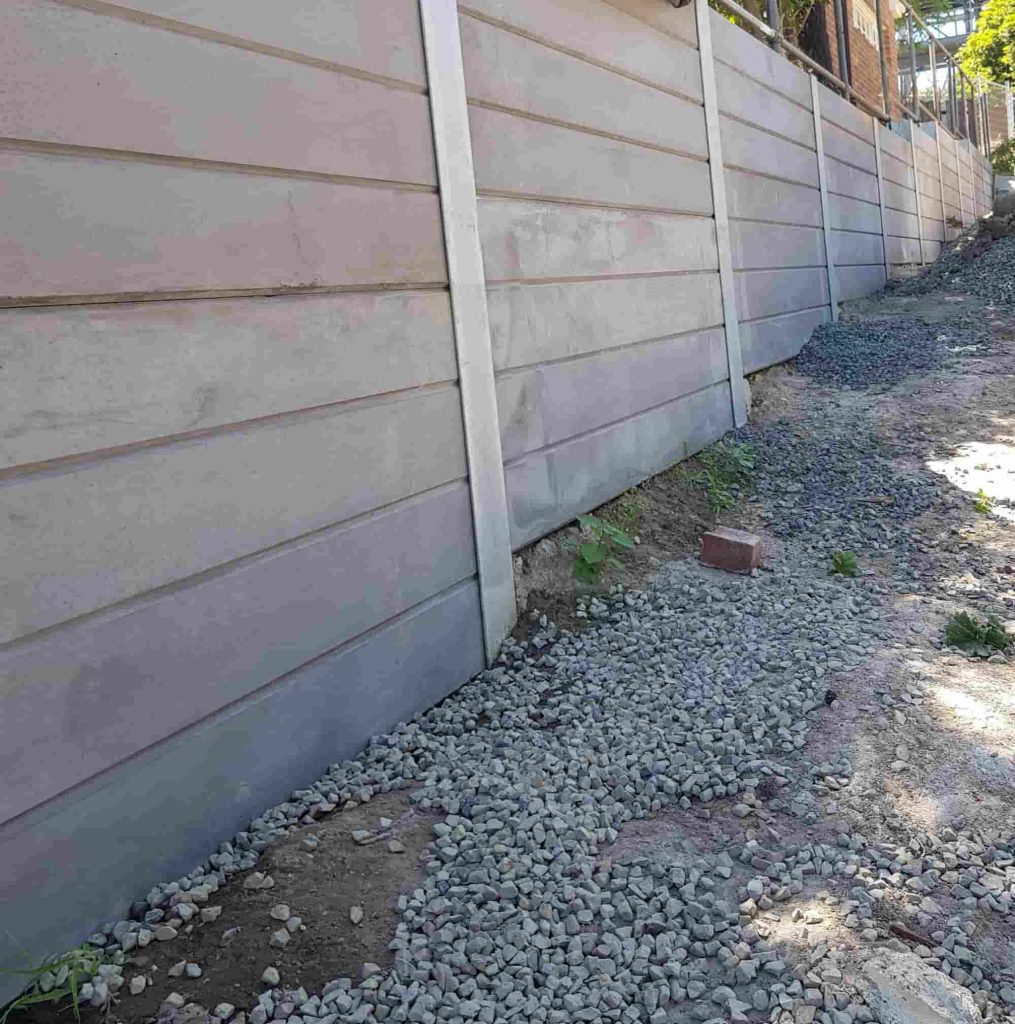
- Stacking methods differ based upon materials. Proper alignment ensures looks and functionality.
Incorporating Drainage Solutions
Effective drain prevents water accumulation behind walls, which can cause failure:
Weep holes Drainage pipes Gravel backfillFinishing Touches
What good is a lovely wall if it doesn't mix with your landscape?
Landscaping Around Maintaining Walls
Adding plants or ornamental stones can boost visual appeal:
Native plants for sustainability Decorative rock featuresFAQ Section
1. What kinds of materials do keeping wall specialists use?
Contractors usually use concrete sleepers, wood sleepers, lumber sleepers, H beams, or stone depending upon your needs and budget.
2. How long does it take to construct a maintaining wall?
The timeline differs based on size and product; generally, anticipate anywhere from a few days to several weeks.
3. Do I require authorizations for developing a keeping wall?
Yes! Many regions need licenses due to zoning laws; constantly seek advice from your specialist concerning local regulations.
4. Can I install a maintaining wall myself?
While do it yourself might appear tempting, working with an experienced professional ensures proper setup that stands over time.
5. What upkeep do retaining walls require?
Maintenance can include inspecting drainage systems routinely and changing any damaged areas as needed.
6. What happens if my keeping wall fails?
A failing keeping wall can trigger substantial problems like soil disintegration or home damage; it's finest attended to instantly by professionals.
Conclusion
In summary, when thinking of setting up a keeping wall on your property, it's clear that hiring a knowledgeable retaining wall contractor offers more than just physical building and construction; they bring knowledge in style, engineering concepts, regional policies compliance, website management abilities-- and far more! From conception through completion-- and even beyond-- they're important in crafting practical yet visually enticing structures that endure time's test while improving property value.
So next time you're thinking about including among these necessary structures to your landscape, keep in mind: The role of a retaining wall contractor is certainly much higher than simply developing; it's about creating lasting quality while guaranteeing security and appeal intertwine seamlessly!